Real Estate Information Archive

Blog

Displaying blog entries 1-10 of 373

Firewood Season is Now Open on Mt. Hood National Forest

by Liz Warren

Firewood season now open on Mt. Hood National Forest

Free personal use permit required to collect up to six cords

Release Date: April 13, 2026

SANDY, Ore. — Personal use firewood permits are now available for the season on Mt. Hood National Forest. 

All woodcutters must obtain a firewood permit to cut and haul firewood from the Forest. Permits are available at a district office or by submitting a firewood permit application. Each household may collect a maximum of six cords annually with a free firewood permit for personal use only. Permits are valid through November 30. 

Woodcutters who need more than six cords of firewood or intend to collect firewood for resale must purchase a commercial firewood permit, which is available upon request pending availability. 

All woodcutters must carry their permit, firewood load tags, firewood map, and a current information sheet while harvesting. Woodcutters may only collect and cut downed wood. Felling standing trees, dead or alive, is illegal. Firewood cutting areas are described on the required firewood maps and information sheets, which are updated regularly and reflect the current Industrial Fire Precaution Level of each area.  

More firewood information is available online: www.fs.usda.gov/r06/mthood/permits/firewood  

Conditions across Mt. Hood National Forest vary and may change rapidly. Some Forest Service roads may be snow-covered, icy, or muddy. Several roads remain impassable due to downed trees, landslides, culvert blockages, and other damage caused by December’s significant storms. Vehicle access to some areas may be limited due to wildfire closures. Always know before you go: www.fs.usda.gov/r06/mthood/alerts 

Contact a district office for information on current conditions: www.fs.usda.gov/r06/mthood/offices   

Some community members who rely on firewood to heat their home may struggle to harvest firewood due to age or physical disabilities. Learn more about Mt. Hood National Forest’s firewood assistance program and how to apply: www.fs.usda.gov/media/158825  


Investors In Today's Housing Market

by Liz Warren

This’ll Change What You Think About Investors in Today’s Housing Market


There’s a lot of noise out there right now about investors in the housing market.

Some headlines make it sound like big Wall Street firms are buying up everything in sight. And if you’re trying to purchase a home yourself, that can make it feel like the odds are stacked against you.

But when you take a closer look at the data, a very different picture starts to come into focus.

Most Investors Are Just Everyday Owners

For starters, when you hear the word investor, you probably picture big corporations. And that misconception is a large part of what’s feeding into the myth that they’re buying up all the homes.

Most investors aren’t big companies, at all.

They’re everyday people just like you.

They’re someone who owns a second home (like a vacation house at the river), a neighbor who has 1 or 2 rentals, or even a homeowner who tried to sell their home, didn’t get the price they wanted, and decided to rent it instead.

And when all of these groups are lumped together in the headlines, the number of investors sounds high – especially if you’re operating under the assumption all investors are big investors.

But here’s what the numbers really show when you drill down.

Institutional Investors Are a Small Slice of the Housing Market

Large institutional investors, those big companies buying homes, actually make up a very small share of the overall housing market.

According to BatchData, the largest investors (those with 1,000+ homes) own just 0.4% of the 86 million single-family homes in the country. And their share of the market is actually shrinking.

Data from Parcl Labs shows big investors are selling 4 homes for every 1 they’re buying right now (see visual below):

a graph of a home sellingThat means they’ve actually added almost 1.7k homes back into the market lately.

What This Means for You

The story is clear. Instead of aggressively buying up homes, most of these companies are stepping back, which means less competition from them than you might expect. If you were someone who thought they were dominating the market, let that give you some peace of mind.

Most of the competition you’ll face is from other everyday buyers – people just like you. And with most large investors stepping back, there may be more opportunity in the market than you think.

Bottom Line

It’s easy to assume big investors are taking over the housing market, but the data tells a different story. If you want an expert's opinion on what investor activity looks like in our area, let's talk.

Because odds are, it’s not as big a factor as you may think.

Spring Sellers on Mt. Hood Have an Edge

by Liz Warren

Spring Sellers Have an Edge. Here’s Why.


Homeowners looking to sell usually want three things: plenty of interested buyers, strong offers, and a short timeline. Spring is the season that most often delivers all three.

So, if a move has been on your mind this year, this is the window where momentum tends to work in your favor. Here’s what makes this season so powerful for sellers.

1. More Buyers Will Be Looking

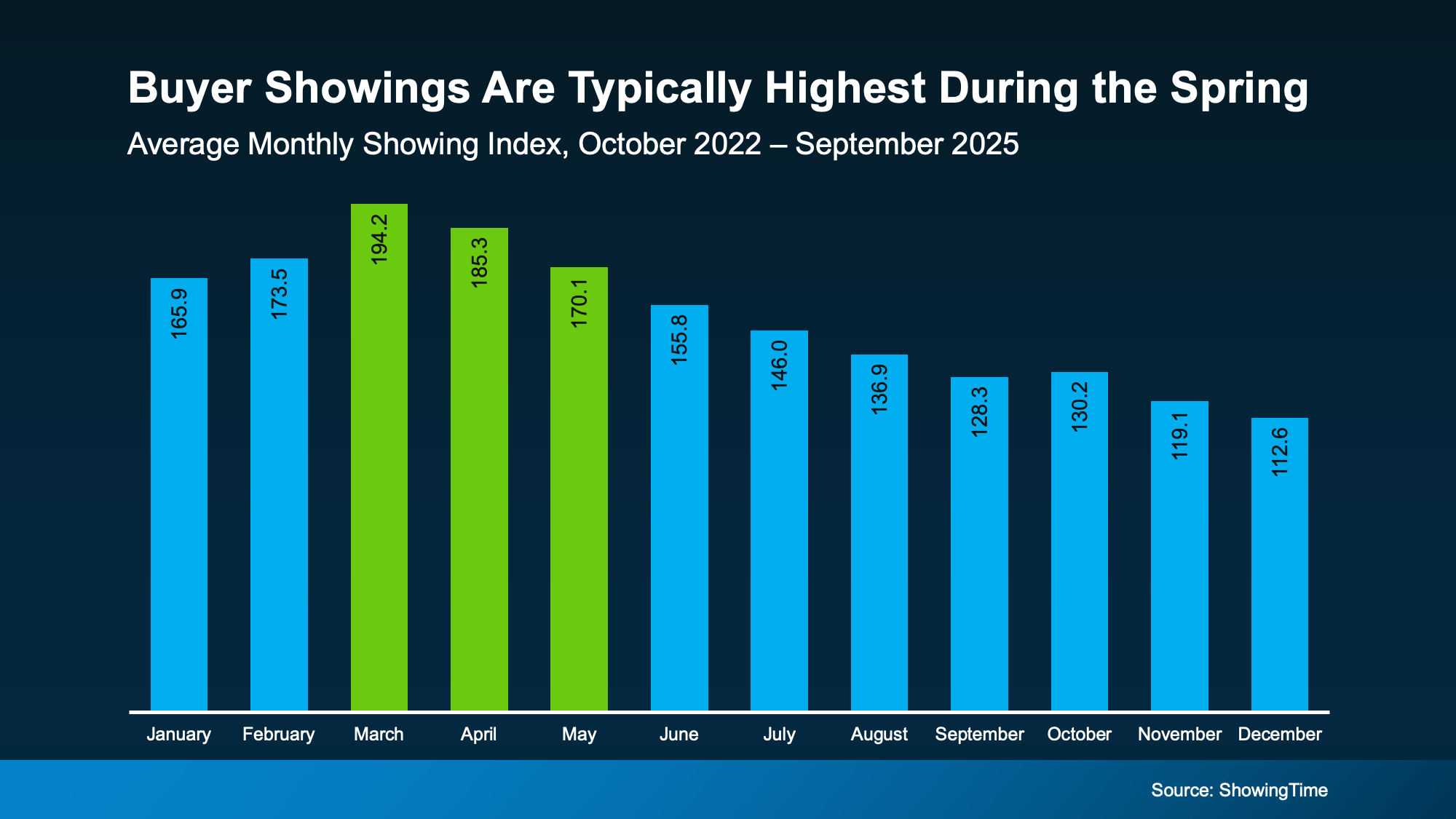
Typically speaking, in the housing market, there’s no more popular time to move than the Spring. Historically, data coming out of ShowingTime proves that’s when buyer activity peaks each year. Take a look for yourself (see graph below):

a graph of numbers and a number of monthsAnd this year, there’s more than just the seasonal trend working in your favor. Mortgage rates are also sitting near 3-year lows – and that combination matters.

More buyers + improving affordability = more eyes on your house.

That doesn’t mean the market will return to the frenzy of the pandemic – far from it. But it does mean more buyers will be ready to re-enter the market. And that’s good for you. As Redfin says:

“Homebuying demand is improving . . . and mortgage-purchase applications are sitting near their highest level in three years. . ."

You should make sure your house is listed so you can take advantage of the uptick in demand. Because more activity means one thing: more opportunity to get a deal done.

2. You May Get More Offers

With more buyer demand, it makes sense that you may get more offers on your house. And history shows that’s usually true.

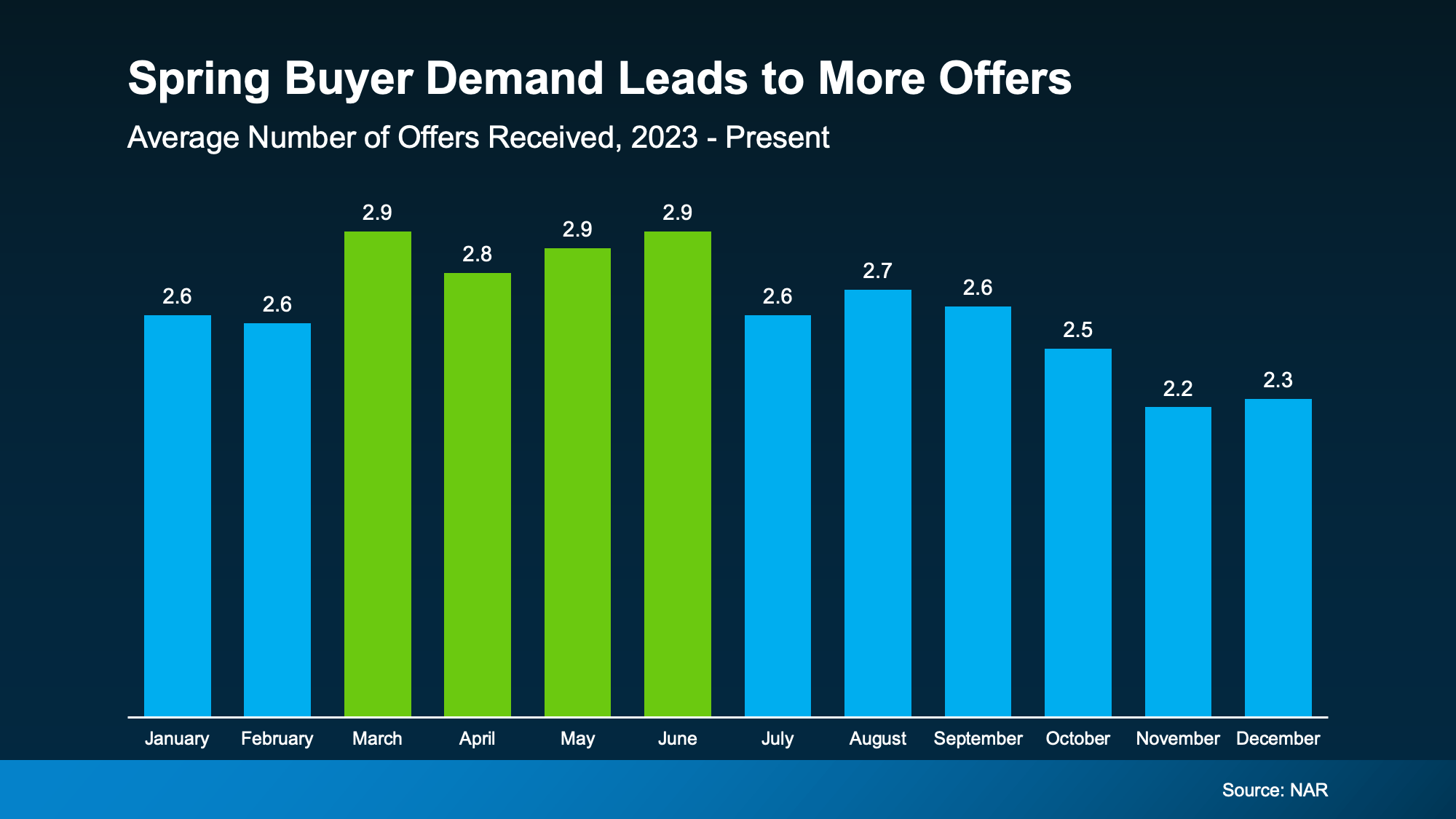
If we look at the data for the last three years from the National Association of Realtors (NAR), and take the averages for each month, it’s clear sellers in the Spring get more offers (see graph below):

a graph of salesNow, don’t expect the excessive bidding wars that were so famous in 2020 and 2021. But it does mean, seasonality could help you out this Spring. As Realtor.com explains:

“Spring typically brings out more buyers who are ready to make a move before summer. Listings see more views, showings, and offers during this season.”

And that could be really good for your bottom line.

3. Homes Usually Sell Faster

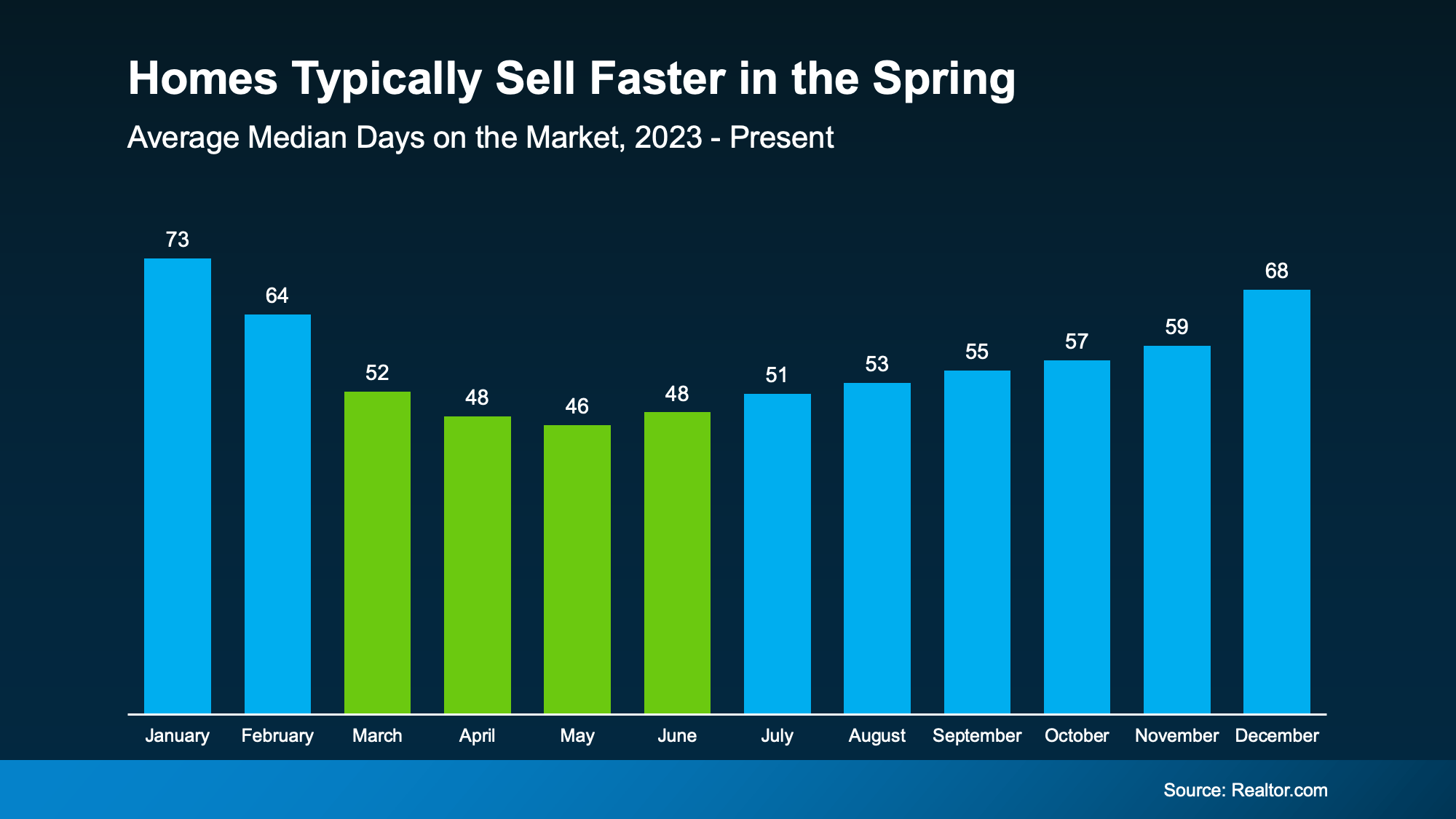
There’s one more predictable pattern that happens pretty much every Spring based on research from Realtor.com. Homes sell faster (see graph below):

On average, homes sell 20 days faster in the Spring compared to the Winter. That’s almost 3 weeks shaved off your timeline. And that's a difference you can feel.
Since homes have been taking longer to sell lately, listing your house during what’s usually the most active time of the year means you’re setting yourself up to move as quickly as possible. And isn’t that what sellers really want?

The faster your home sells, the earlier you can move on to what’s next for you.

If you’re eager to go on to your next chapter, need to downsize, or you’ve run out of space, Spring may be your best time to sell.  

Bottom Line

Spring doesn’t guarantee a sale. Strategy still matters. But this season gives you something valuable: momentum.

More buyers. More activity. More opportunity.

The real question is: if you’re going to sell this year, why not do it when the odds are in your favor?

Let’s talk about what selling this season could mean for your house and your timeline.

The Real Reason Home Sales Slowed in January

by Liz Warren

The Real Reason Home Sales Slowed in January. And It’s Not What You Think.


If you saw headlines that talked about how “home sales fell sharply in January,” it probably raised an eyebrow – especially if you’re thinking about selling your house. But context matters.

Yes, in January, home sales declined. But that has more to do with seasonality and the weather than it does with any big drop off in demand. 

What’s Really Behind the Decline? 

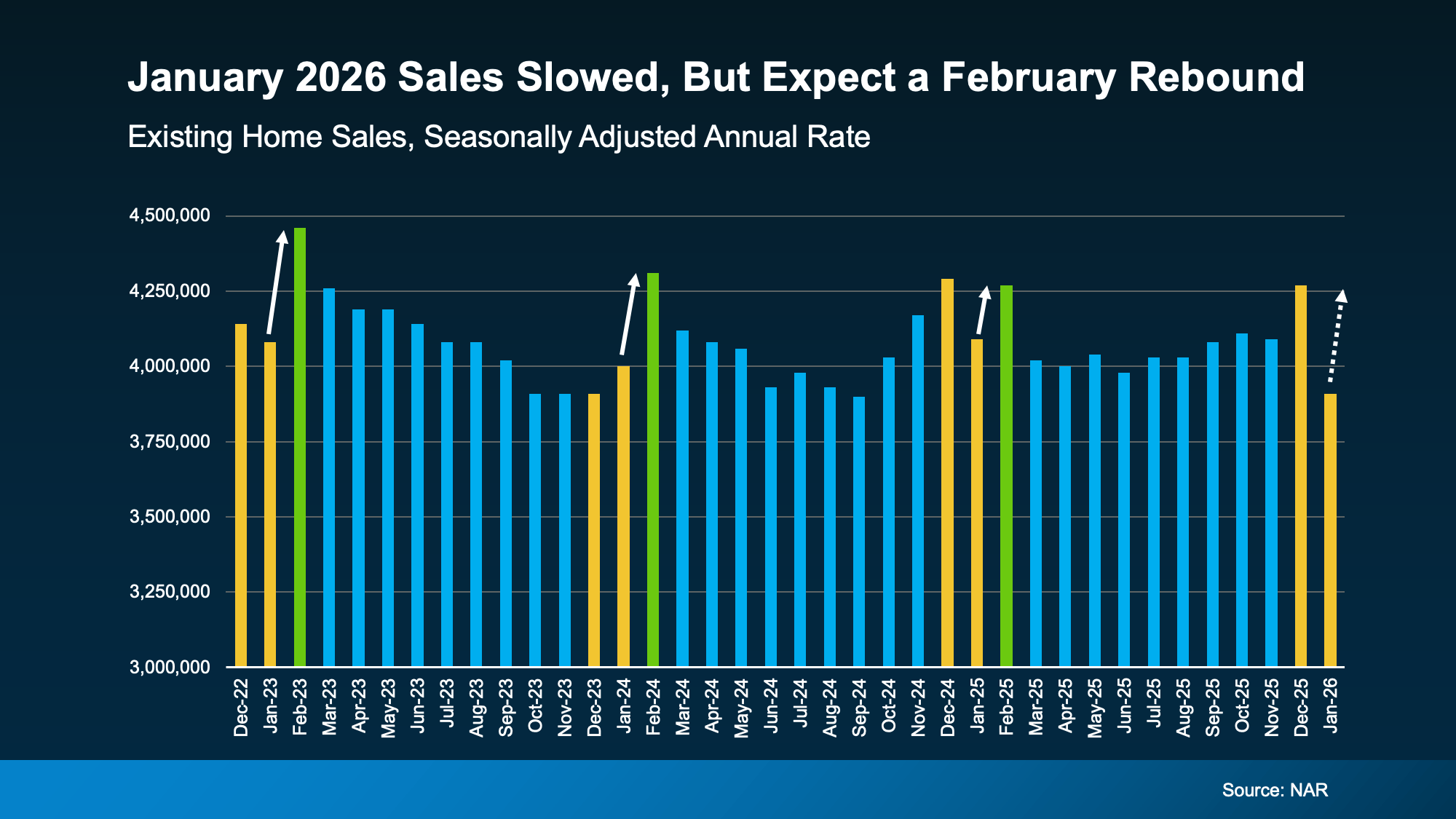
Reports coming out of the National Association of Realtors (NAR) say the pace of home sales fell roughly 8.4% last month compared to the month before. And that’s true. But it isn’t necessarily cause for alarm. 

Data show it’s normal for sales to dip in January. In the last 4 years, that pattern has held true all but once. And sure, the decline we saw this year was a steeper drop off than the norm (the yellow bars on the right), but that can be explained too. More on that in a moment.

The really important part you’re not going to get from the headlines is this: typically speaking, the pace of home sales picks back up in February as the spring market starts to take off. That’s shown in the green bars below.

So even though the market slowed a bit momentarily, it should start to pick back up.

And just in case you’re wondering, why the bigger drop this year, especially with mortgage rates being lower than last year? Here’s your answer. As Realtor.com explains

“Winter storm Fern, which dumped snow and ice across large swaths of the country, likely disrupted some closings, weighing on the data and making it difficult to pick out the housing market momentum trend from the weather noise.”

This January, 40 states were hit with widespread winter weather according to the National Weather Service. And in real estate, that slows down the momentum. Here’s why.

Existing home sales data tracks closed transactions, not new contracts. So, if inspections, appraisals, or final walk-throughs get delayed by storms, those deals often slide into the next month instead of falling apart – especially when buyers and sellers are still trying to move forward.

Will Home Sales Pick Back Up?

January’s missing sales are more likely “postponed” than “lost.” They haven’t disappeared. They’re just taking a little longer to close. 

The rest of the data still points to a market that has traction heading into spring.

Affordability has improved for the 7th month in a row, and buyers are regaining negotiating power in many markets throughout the nation. So, this one monthly report doesn’t mean buyers aren’t buying. It just means, as weather warms up, activity should too.

Bottom Line

Don’t confuse a weather-impacted month with a market losing steam. If anything, improving affordability is an indicator of more activity to come, not less.

If you have questions about what you’re hearing online or in the news, let’s chat. Because the truth is, a little context can give you back your peace of mind.

Home Insurance Costs Are Rising: What Buyers Should Plan For

by Liz Warren

Home Insurance Costs Are Rising: What Buyers Should Plan For


Buying a home is one of the biggest purchases you’ll ever make. And homeowner’s insurance is what protects that investment. Think of it as your safety net. NerdWallet explains it:

  • Covers Repairs and Rebuilding Costs: If your home is damaged by fire, storms, or other covered events, it helps pay for repairs and possibly even a full rebuild, if that’s deemed necessary.
  • Protects Your Belongings: It can also cover personal items like furniture, electronics, jewelry, and clothing if they’re stolen or damaged.
  • Provides Liability Coverage: And, if someone gets injured on your property, your policy can help cover medical bills or legal expenses.

But that peace of mind does come with a cost, and lately those costs have been rising.

Why Home Insurance Premiums Are Going Up

There are a number of factors causing insurance premiums to rise today. But, in the simplest sense, here’s what’s driving prices up according to the Insurance Research Council (IRC).

Severe weather events and natural disasters are happening increasingly often, leading to more claims. At the same time, homebuilding materials and labor are more expensive. So, when it comes time to work on those claims, insurers have to manage higher costs to repair or rebuild the affected homes.

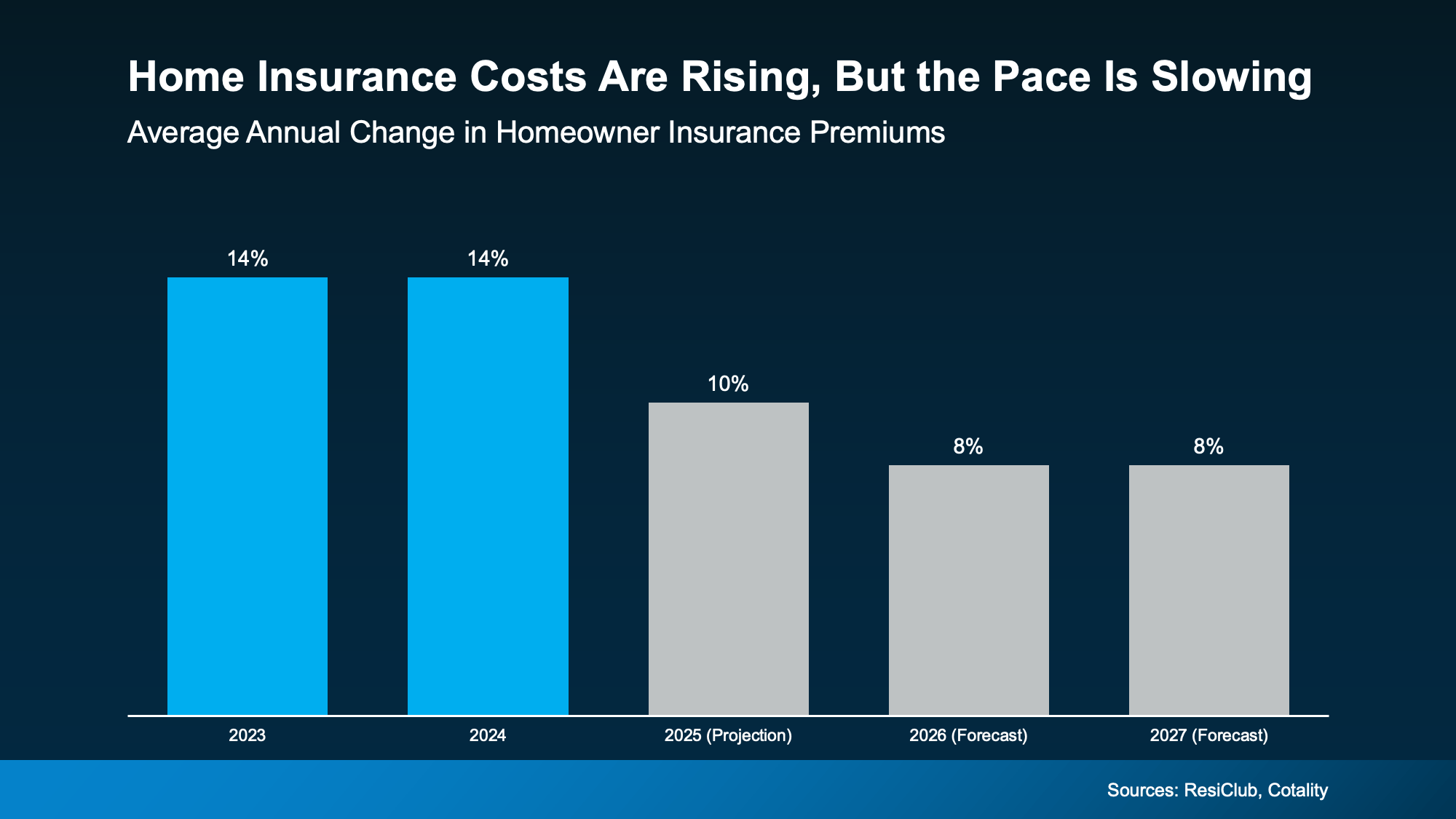
That combination adds up to higher premiums. You can see how it’s climbed recently in the graph below. Each bar marks the percentage increase in insurance costs for that calendar year.

a graph of a graph showing the cost of homeowner insuranceThe good news is, the annual pace of the increase may be starting to ease according to ResiClub and Cotality. By their count:

  • In 2023 and 2024, insurance costs went up 14% a year.
  • In 2025, they rose about 10%.
  • And in 2026 and 2027, it’s expected to go up about 8% each year.

That’s still an increase, but at least the pace is slowing down. And here's another silver lining.

While insurance costs are rising, mortgage rates are falling. And that can help offset some of this expense. As Michael Gaines, Senior VP of Capital Markets, Cardinal Financial, explains:

Rising taxes and insurance do create pressure, but they don’t erase the benefits of a lower rate . . . A small rate improvement, paired with the right loan program and smart planning, can still make homeownership possible . . . It’s less about one factor canceling another out, and more about helping buyers layer the right solutions together.”

Costs Are Going To Be Different Depending on Where You Buy

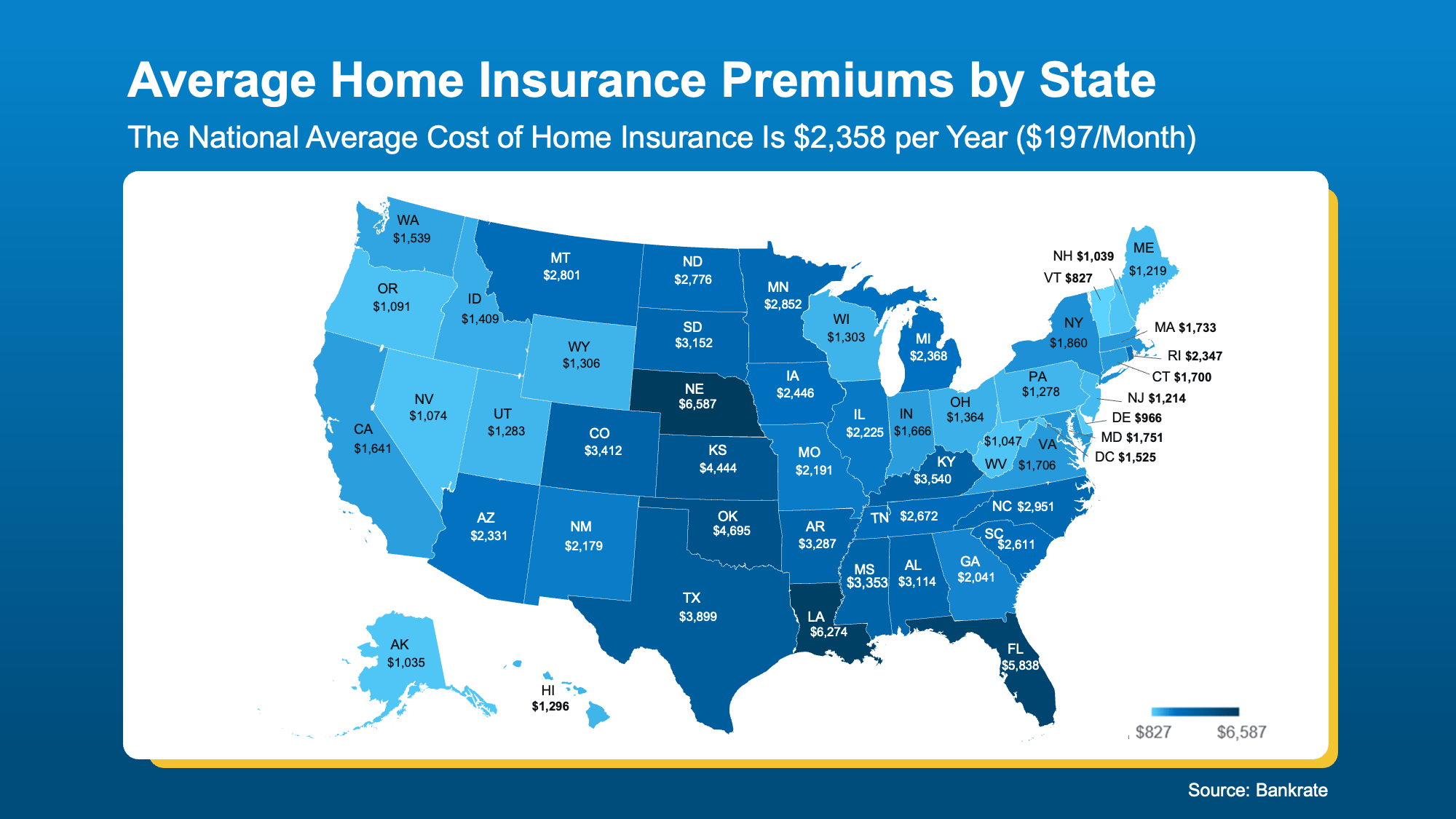
So how much do you need to budget for this? It depends on the price point and location of house, the coverage you need, and more. And just like with everything else in real estate, costs vary by area.

You can get a rough idea of your state’s typical premiums in the map below:

So, What Can You Do About It?
Generally speaking, your first insurance payment will be wrapped into your closing costs. But after that, it’ll become a recurring expense. That’s why knowing these premiums are rising is so important. It helps you factor that into your budget, so you go in with a full picture of what you can comfortably afford.

If you’re crunching the numbers and trying to find other ways to save, here are a few tips from Insurify and NerdWallet that can help you get the best insurance price possible:

  • Shop Around – Compare quotes from multiple companies.
  • Bundle Policies – Combine home and auto for discounts.
  • Ask About Discounts – Don’t miss out on savings you may qualify for.
  • Highlight Upgrades – Features like a new roof or storm windows can cut costs.
  • Improve Your Credit – A stronger credit score can mean better premiums.

Bottom Line

If you’re thinking about buying a home, don’t forget to plan ahead for your homeowner’s insurance.

While costs are rising, knowing what to expect and how to shop around can make a big difference as you’re budgeting for your purchase. Because this isn’t coverage you’ll want to skimp on. It’s your best protection for what’s likely your biggest investment.

Storm Damage on Mt. Hood

by Liz Warren

Mt. Hood Storm Damage

Winds and massive amounts of rain came to Mt. Hood. Power outages for days, downed power lines, toppled trees and landslides hit the area. Saturated ground caused many trees to fall over in the winds. The biggest slide was near the intersection of Salmon River Road and Welches Road. Salmon River Road is now open but it may be a while before Welches Road is cleared. Here are a few photos of the damage. 


Welches Road Landslide on Mt. Hood

Welches Road sign near Salmon River Road

Mt. View Drive House in Welches from Landslide

House that was on Mt. View Drive that was destroyed. 

Welches Road Debris Flow From Landslide on Mt. Hood

Debris Flow From Land Slide

Current Welches Road Condition on Mt. Hood

Welches Road with Salmon River Road to the elevated right with orange markers

Repair Work for Salmon River Road on Mt. Hood

Repair work from slide on the East side of Salmon River Road. 

Repair Work for Salmon River Road on Mt. Hood

Repair work

Twenty Foot Root Wad in the Mt. Hood National Forest

Attention: Steiner Log Home Enthusiasts on Mt. Hood

by Liz Warren

Attention: Steiner Log Home Enthusiasts on Mt. Hood


A recent article in the Oregonian by Janet Eastman brings attention to a new book in process highlighting the stories of the Mt. Hood Steiner cabins scattered throughout the area during the depression era.


From the article,


Fans of the fabled Mount Hood log cabins hand built by the resourceful Steiner family take note: A coffee table book, expected to be released next year, will have photos and stories about the sturdy, artistic homes made with trees, stones and few store-bought items during the Great Depression and World War II.


A preview of the book titled “Steiner Cabins: History and Style of a Mt. Hood Icon” will be presented at a free Steiner Cabins Celebration Open House from 1 p.m. to 3:30 p.m. Saturday, Oct. 18, at The Mt. Hood Cultural Center & Museum in Government Camp.


A free open house is scheduled for October 18th from 1:00 to 3:30 at the Mt. Hood Cultural Center and Museum where guest filmmaker and speaker Ian McCluskey will discuss his own restoration of a Steiner and the stories and details of the future book. Local architectural photographer Chris Brown features photos in the book.

Many more details may be found in the Oregonian article link below! Hit the photo to access.


Mt. Hood Fire Restrictions July 17 Start Date

by Liz Warren

Fire restrictions in effect!

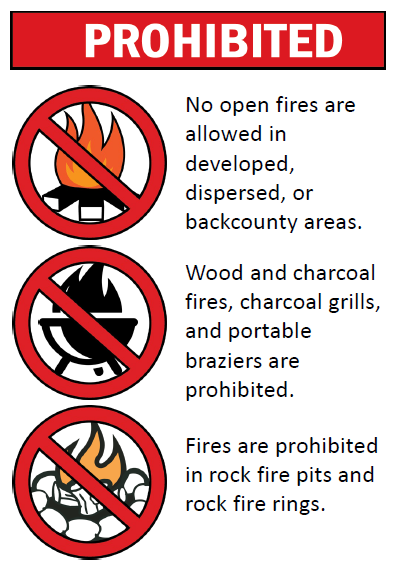
Effective Thursday, July 17, 2025 all campfires, charcoal or briquette fires, pellet fires, or any other open fires are prohibited, including in developed campgrounds, dispersed camping locations and recreation residences/cabins.

Public Use Restrictions:

  • Campfires, charcoal or briquette fires, pellet fires (including pellet cooking stoves), or any other open fires are prohibited.
  • Indoor fires, including in fireplaces and wood stoves, are prohibited.
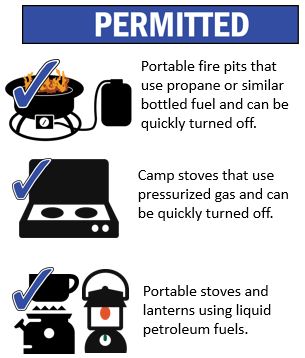
  • Portable cooking stoves, lanterns, and heating devices (including propane campfire rings) using liquefied or bottled fuel, such as propane, are still allowed as they can be instantly switched off.
  • The operation of a generator without a spark arresting device is prohibited.
  • Check the Industrial Fire Precaution Level (IFPL) before using a chainsaw.
  • Smoking is prohibited except within an enclosed vehicle or building, or on a recreation cabin lot while in an area barren and cleared of all flammable material at least three feet in diameter.


Visit our website for more Mt. Hood National Forest fire information. Check the local and regional fire outlook.

July 19 HOA Picnic: Zigzag District Ranger Greg Wanner & Recreation Residence Permit Administrator Bree Ellison will be at this Saturday's annual HOA picnic. It's a great opportunity to chat with them and ask any questions.

Visit our Mt. Hood National Forest recreation residence website! www.fs.usda.gov/r06/mthood/permits/recreation-residences

Find useful & updated info such as the Project Request Form, hazard tree removal information, cabin maintenance guidance, a checklist for new cabin owners, and other resources. Got a question? Drop us a line!

Mt. Hood National Forest | www.fs.usda.gov/r06/mthood

Facebook

National Housing Trends to Watch

by Liz Warren

What You Need To Know About Homeowner’s Insurance

by Liz Warren

What You Need To Know About Homeowner’s Insurance


Homeowner’s insurance is a must-have to protect what’s probably your biggest investment – your home. And while you never want to think about worst-case scenarios, the right coverage is basically your safety net if something goes wrong. Here’s how it helps you.

  • Covers Repairs and Rebuilding Costs: If your home is damaged by fire, storms, or other covered events, your policy helps pay for repairs or even a full rebuild.
  • Protects Your Belongings: Many policies can also cover personal items like furniture, electronics, and clothing if they’re stolen or damaged.
  • Provides Liability Coverage: If someone gets injured on your property, homeowner’s insurance can help cover medical bills or legal expenses.

In the simplest sense, it gives you peace of mind. Knowing you have protection against unexpected events helps you worry less. And with such a big purchase, having that reassurance is a big deal.

And while your first insurance payment will be wrapped into your closing costs, you’ll want this to be a part of your budget beyond closing day too. That’s because it's a recurring expense you’ll have once you get the keys to your home.

Here’s what you need to know to help you budget for this important part of homeownership today.

Costs and Claims Are Rising

In recent years, insurance costs have been climbing. According to Insurance.com, there are four big reasons behind the jump in premiums:

  • More severe weather events and wildfires are leading to higher claims.
  • Insurance companies are pulling out of high-risk areas, reducing options for homeowners in some states.
  • Past rate increases haven’t kept up with the rise in claims.
  • The cost to rebuild or repair homes has gone up due to higher material and labor costs.

Basically, disasters are happening more often, repairs cost more, and insurers have to adjust their rates to keep up. Data from ICE Mortgage Technology helps paint the picture of how the average yearly premium has climbed over the last decade (see graph below):

What You Can Do About It

Homeowner’s insurance is a must to protect your home and your investment. But with costs rising, you’ll want to do your homework to balance the best coverage you can get at the best price possible.

Homeowner’s insurance rates vary widely based on location, provider, and coverage. Shop around and compare quotes before settling on a policy. And don’t forget to ask about discounts. Things like security systems or bundling with auto insurance could help lower your insurance costs.

Bottom Line

When you’re planning to buy a home, it’s important to look beyond just your mortgage payment. You’ll also want to budget for your homeowner’s insurance policy. It gives you a lot of protection against the unexpected. And while it’s true those costs are rising, there are things you can do to try to get the best price possible.

What’s your biggest concern when it comes to budgeting for homeownership? Let’s talk through it and make sure you’re set up for success.

Displaying blog entries 1-10 of 373

Syndication

Categories

Archives